Broad Peak 2026: The Avalanche Tragedy and the Climbers Who Risked Everything to Bring Their Friends Home
Broad Peak, Pakistan — August 2026
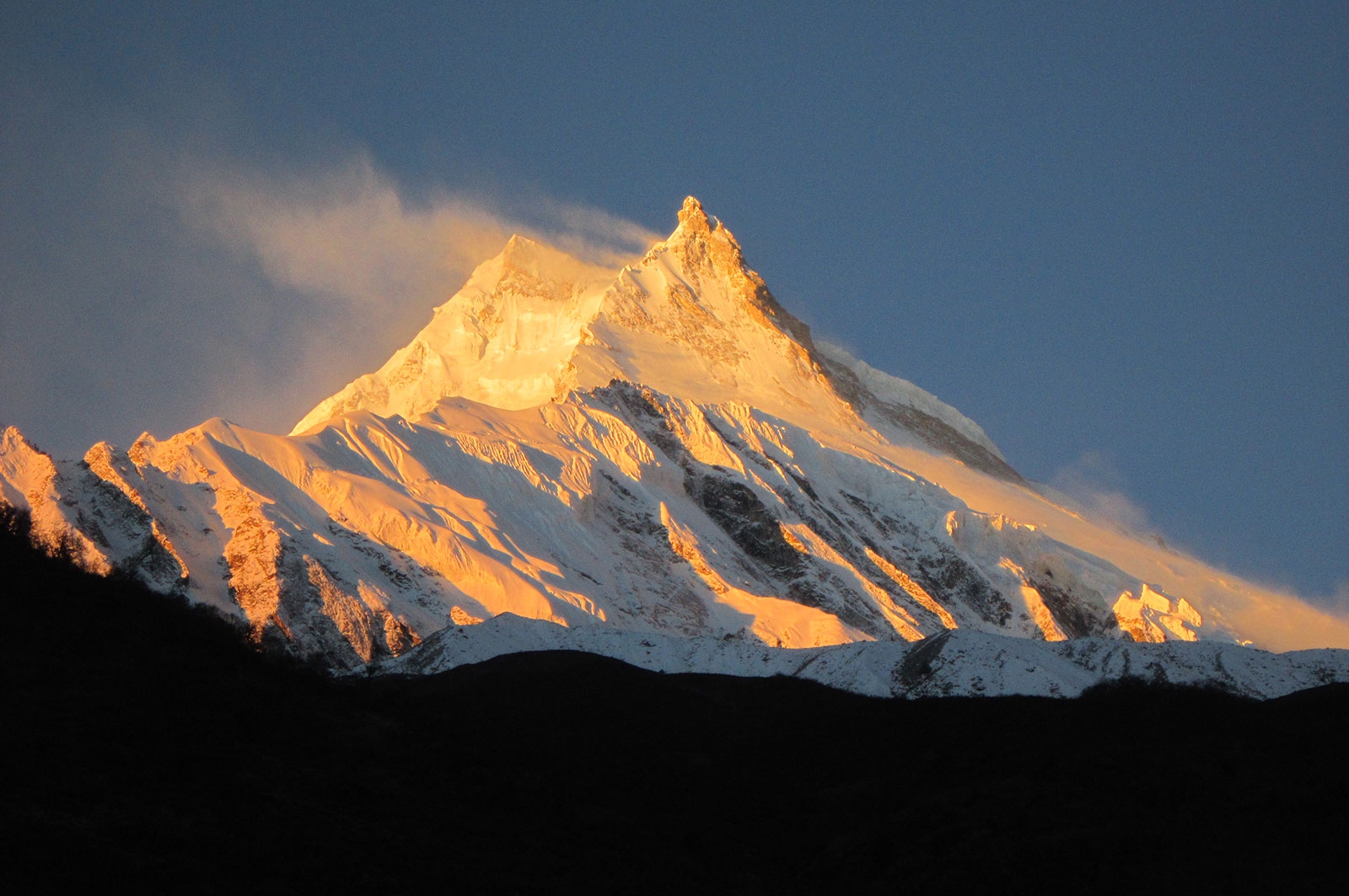
The 8,047-meter Broad Peak became the scene of one of the deadliest high-altitude mountaineering disasters in more than a decade after a massive avalanche struck several climbing teams. As the mountain claimed experienced climbers from Nepal, Pakistan, Oman, and China, a small group of rescuers returned into the danger zone to recover their fallen colleagues.
Broad Peak has never been an easy mountain.
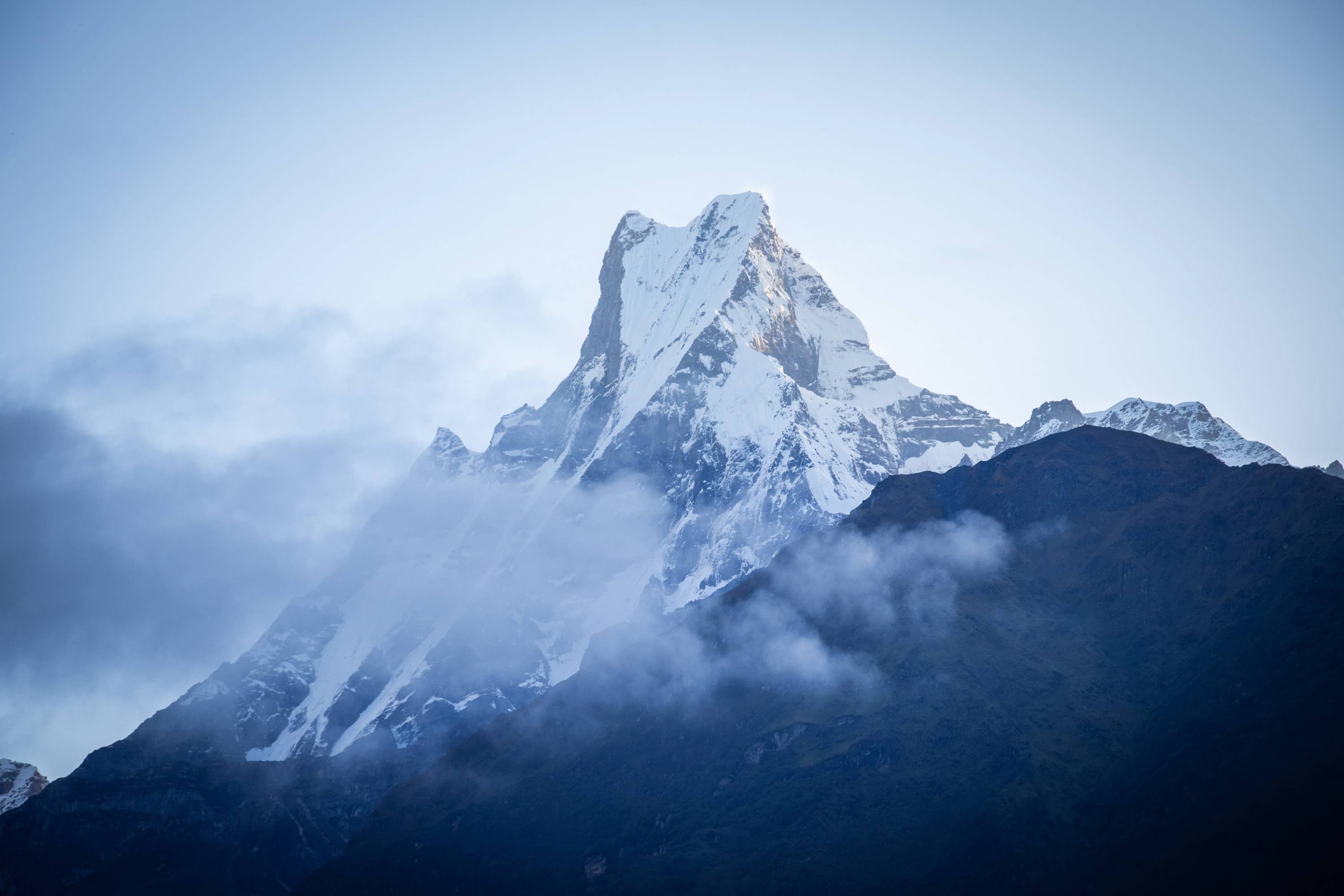
Rising 8,047 meters above Pakistan's Karakoram, the world's 12th-highest mountain is known for its long summit route, steep terrain, exposed sections, rockfall, crevasses, and persistent avalanche danger.
In late July 2026, a group of experienced climbers entered the upper mountain during a brief weather window.
Within days, the expedition had become a tragedy.
A massive avalanche on July 30 swept across the climbing route, killing climbers from several international expeditions. What followed was not only a desperate search for survivors, but a dangerous recovery mission in which Nepali and Pakistani climbers repeatedly entered unstable terrain to bring their friends home.
A Narrow Weather Window
The tragedy began against a familiar backdrop in the Karakoram: heavy snowfall followed by a short period of clear weather.
From July 22 to 26, significant snowfall covered the region. Fresh snow accumulated on already complex high-altitude terrain, creating potentially unstable conditions.
For climbers, however, waiting for perfect conditions is not always an option.
Weather windows in the Karakoram can be extremely short. Another storm can arrive before the snow has fully stabilized, potentially closing the route for days or even ending a summit attempt altogether.
On July 28, the second wave of summit teams began moving toward Broad Peak's upper camps.
Ten climbers from several expeditions were among those heading upward.
They were highly experienced mountaineers, including some of the most accomplished climbers in the region.
Who Was on Broad Peak?
Among the climbers was renowned Nepali mountaineer *Nirmal “Nims” Purja, accompanied by his longtime climbing partner **Pur Bahadur “Yukta” Gurung* and experienced high-altitude worker *Nima Sherpa*.
Another team was supporting Omani mountaineer *Nadhira Al Harthy, who had previously become the first Omani woman to summit Mount Everest. She was accompanied by experienced Nepali guides **Gyaljen “Gyalu” Sherpa* and *Nawang Thindu Sherpa*.
The Imagine Nepal team included Chinese climber *Wang Zhong* and renowned Nepali guide *Kili Pemba “Kilu” Sherpa*.
The group also included Pakistani guide *Sakhi*.
These climbers were not newcomers to the world's highest mountains. Their combined experience included numerous 8,000-meter expeditions and major Himalayan and Karakoram achievements.
But Broad Peak presented a different challenge.
Experience reduces risk.
It never eliminates it.
July 30: When the Mountain Moved
The morning of July 30 initially appeared to be another climbing day.
GPS data showed the teams progressing upward.
At approximately 9 a.m., Nims Purja's tracker placed him at around 21,847 feet—the highest recorded position reached by any member of the group.
Then a massive avalanche released on Broad Peak.
From nearby K2, climbers and expedition leaders watched the enormous slide race down the mountain.
The avalanche was far larger and more destructive than the smaller slides commonly seen on the route.
Radio calls to the Broad Peak teams went unanswered.
Initially, there was still hope.
Climbers frequently switch off radios to conserve battery power at high altitude. Expedition leaders therefore waited and continued trying to make contact.
But then the GPS trackers told a different story.
Several trackers that had been moving upward suddenly showed dramatic descents.
One appeared to have dropped more than 5,000 vertical feet.
The situation was becoming clear.
A disaster had occurred.
A Rescue Made Harder by the Karakoram
The remoteness of Broad Peak created enormous challenges for the rescue operation.
Unlike the heavily connected commercial climbing environment on Everest, the Pakistani Karakoram has limited communications infrastructure and much less access to private helicopter support.
There is little reliable cellular coverage or internet connectivity around the mountain.
Expedition teams depend heavily on radios and satellite communications.
This meant that even determining exactly what had happened took time.
Expedition leaders at nearby K2 began coordinating a response while climbers and support teams prepared to search Broad Peak.
The objective was no longer the summit.
It was to find their friends.
Helicopters and the First Bodies
On July 31, Pakistani military helicopters searched the mountain while Pakistani and Nepali rescuers began examining the avalanche debris.
Several bodies and human remains were recovered.
Among those identified were *Nadhira Al Harthy* and *Pur Bahadur “Yukta” Gurung*.
But many climbers were still missing.
As news of the accident spread, speculation and hope circulated online. GPS tracker data showing small movements led some people to wonder whether survivors might still be alive.
The reality on the mountain was far more difficult.
The search continued.
Drones Find a Cluster of Bodies
Because much of the mountain remained too dangerous to search on foot, rescuers turned to drones.
Commercial drones operated from the K2 area were used to inspect the avalanche path and upper slopes.
Then the rescuers saw something that changed the search.
A cluster of five bodies was located at approximately 19,350 feet.
One of the figures was wearing a distinctive teal-colored down suit.
It was Nims Purja.
Nearby were the bodies of *Nima Sherpa, Wang Zhong, Kili Pemba Sherpa, and Gyaljen “Gyalu” Sherpa*.
The discovery confirmed that the avalanche had taken multiple climbers from different expeditions.
But finding the bodies was only the beginning.
The real challenge was getting them down.
The Recovery Team Goes Back Into the Mountain
On August 1, a recovery team was assembled under the leadership of Nepali mountaineer *Mingma Gyalge “Mingma G” Sherpa, together with senior Pakistani climber **Sirbaz Khan* and other experienced rescuers.
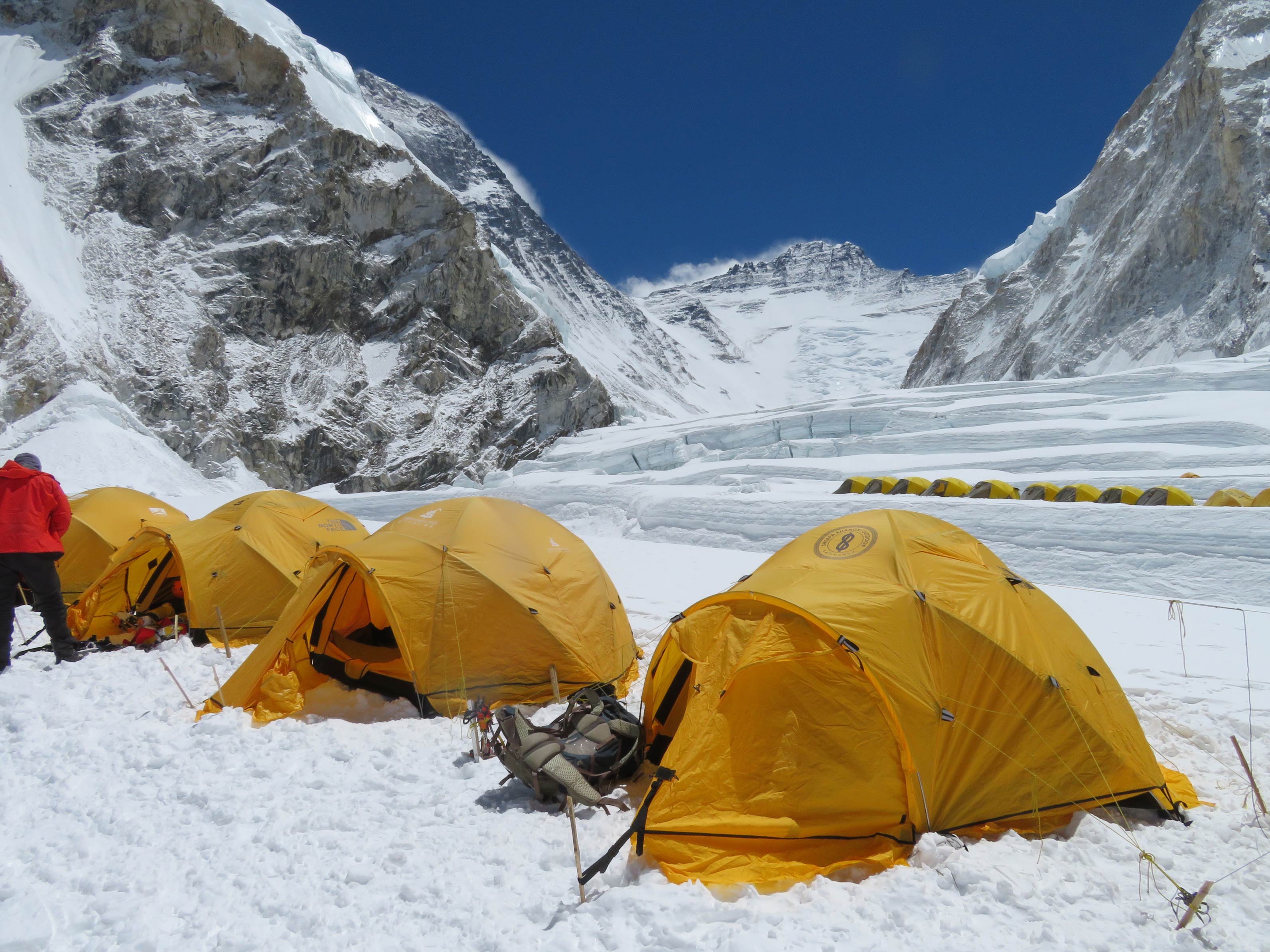
An Advanced Base Camp was established below the upper climbing route.
The team then began climbing toward the bodies.
The conditions remained extremely dangerous.
Loose snow, crevasses, steep slopes, avalanche debris, and unstable terrain made every movement difficult.
The rescuers knew that another avalanche could happen at any time.
Yet they continued upward.
They reached the cluster of bodies and began the painstaking process of securing and preparing them for descent.
The Search for Nawang Thindu Sherpa
One of the most difficult parts of the recovery operation involved *Nawang Thindu Sherpa*, a 28-year-old Nepali climber with several 8,000-meter ascents.
His body had been located high on a difficult cliff section.
Two experienced Sherpas, Speed Dawa Sherpa and Pem Dorje Sherpa, volunteered to attempt the recovery.
They carried approximately 1,000 feet of climbing rope and entered the steep avalanche couloir.
The terrain was extremely unstable.
Small avalanches and spindrift came from multiple directions.
At one point, the Sherpas ran out of rope.
They descended, collected another coil, and climbed back into the danger zone.
Eventually, they reached a heavily crevassed section where the couloir curved beneath a steep overhang.
They were still hundreds of feet below Nawang Thindu.
Then another avalanche struck.
The two Sherpas were caught in the slide and buried by snow.
Fortunately, they survived.
The experience forced them to confront a brutal reality: continuing could turn a recovery mission into another fatality.
They decided to retreat.
It was not a failure.
It was a recognition that the mountain had become too dangerous.
Another Avalanche Hits the Recovery Operation
The danger did not end there.
Later, another massive avalanche swept down Broad Peak, sending snow and debris toward the lower mountain.
The slide disrupted the recovery operation and caused recovered remains to become scattered again.
For the rescuers, it was a stark reminder that they were still working inside an active avalanche zone.
The mountain that had taken their friends could easily take them too.
Bringing the Climbers Home
Despite the danger and exhaustion, the recovery team continued.
After many members of the wider rescue effort had departed, Mingma G Sherpa remained on the mountain with a small group that included Dipan Gurung, Pemba Chhewang Sherpa, and Sirbaz Khan.
They continued the difficult recovery operation.
After another long effort, the recovered bodies were brought down to Broad Peak Base Camp.
On August 5, they were evacuated by helicopter toward Skardu.
For the families waiting at home, the return of their loved ones was a painful but important final step.
The mountain had taken them.
Their friends had refused to leave them behind.
Remembering the Climbers
The names connected with the Broad Peak tragedy represent an extraordinary level of mountaineering experience.
Nirmal “Nims” Purja was one of the most internationally recognized figures in modern high-altitude mountaineering, known for his record-setting achievements and ambitious 8,000-meter projects.
Kili Pemba “Kilu” Sherpa was an exceptionally experienced Nepali high-altitude climber, with numerous Everest ascents and participation in the historic first winter ascent of K2.
Gyaljen “Gyalu” Sherpa was another highly accomplished Nepali guide with major Himalayan achievements.
Alongside them were *Nima Sherpa, Pur Bahadur “Yukta” Gurung, Nadhira Al Harthy, Nawang Thindu Sherpa, Wang Zhong, Sakhi, and others* whose lives were connected to the mountain and to the climbing community.
They were not simply names on an expedition list.
They were guides, climbers, friends, colleagues, family members, and people with their own dreams and ambitions.
The Rescuers Deserve to Be Remembered Too
When a major mountaineering tragedy occurs, the headlines naturally focus on those who died.
But Broad Peak 2026 also tells another story.
It is the story of the people who went back.
The rescuers entered terrain where another avalanche could have killed them.
They crossed crevasses and unstable slopes.
They worked while exhausted.
They carried human remains through terrain where simply standing can be difficult.
And when the first recovery attempt was disrupted, they returned again.
The courage of *Mingma G Sherpa, Sirbaz Khan, Speed Dawa Sherpa, Pem Dorje Sherpa*, and the many Nepali and Pakistani climbers involved in the recovery deserves recognition.
Their mission was not about records or summit photographs.
It was about bringing friends home.
What Broad Peak 2026 Teaches Us
The Broad Peak tragedy is a reminder that high-altitude mountaineering is never completely predictable.
Modern equipment can provide GPS tracking.
Satellite phones can connect climbers to the outside world.
Drones can help locate people.
Helicopters can shorten the distance between the mountain and medical facilities.
But none of these technologies can remove the fundamental danger of an unstable 8,000-meter mountain.
Weather can change.
Snow can release.
A slope can collapse without warning.
And when an avalanche begins, even the world's strongest climbers may have only seconds to react.
Broad Peak demands humility.
A Tribute from Sherpa Khangri Outdoor
The tragedy of Broad Peak 2026 will remain a painful chapter in the history of Himalayan and Karakoram mountaineering.
At Sherpa Khangri Outdoor, we extend our deepest condolences to the families, friends, climbing partners, expedition teams, and communities affected by this tragedy.
We also salute the Nepali and Pakistani climbers who risked their own lives during the recovery.
The mountain may be remembered for the avalanche.
But it should also be remembered for the courage shown afterward.
The climbers who died will not be remembered only for how they died.
They will be remembered for the mountains they climbed, the people they inspired, the lives they touched, and the dreams that brought them into the high mountains.
And the rescuers who went back for them deserve a place in that story too.
May all those lost on Broad Peak rest in peace.
May their families find strength.
And may their legacy continue through the mountains they loved.
About this story
This article has been prepared for the Sherpa Khangri Outdoor website based on available expedition accounts and published reporting concerning the Broad Peak 2026 tragedy. Details concerning individual climbers, recovery operations, and the final status of missing climbers should be verified against official expedition, Pakistani authorities, and family statements before publication.