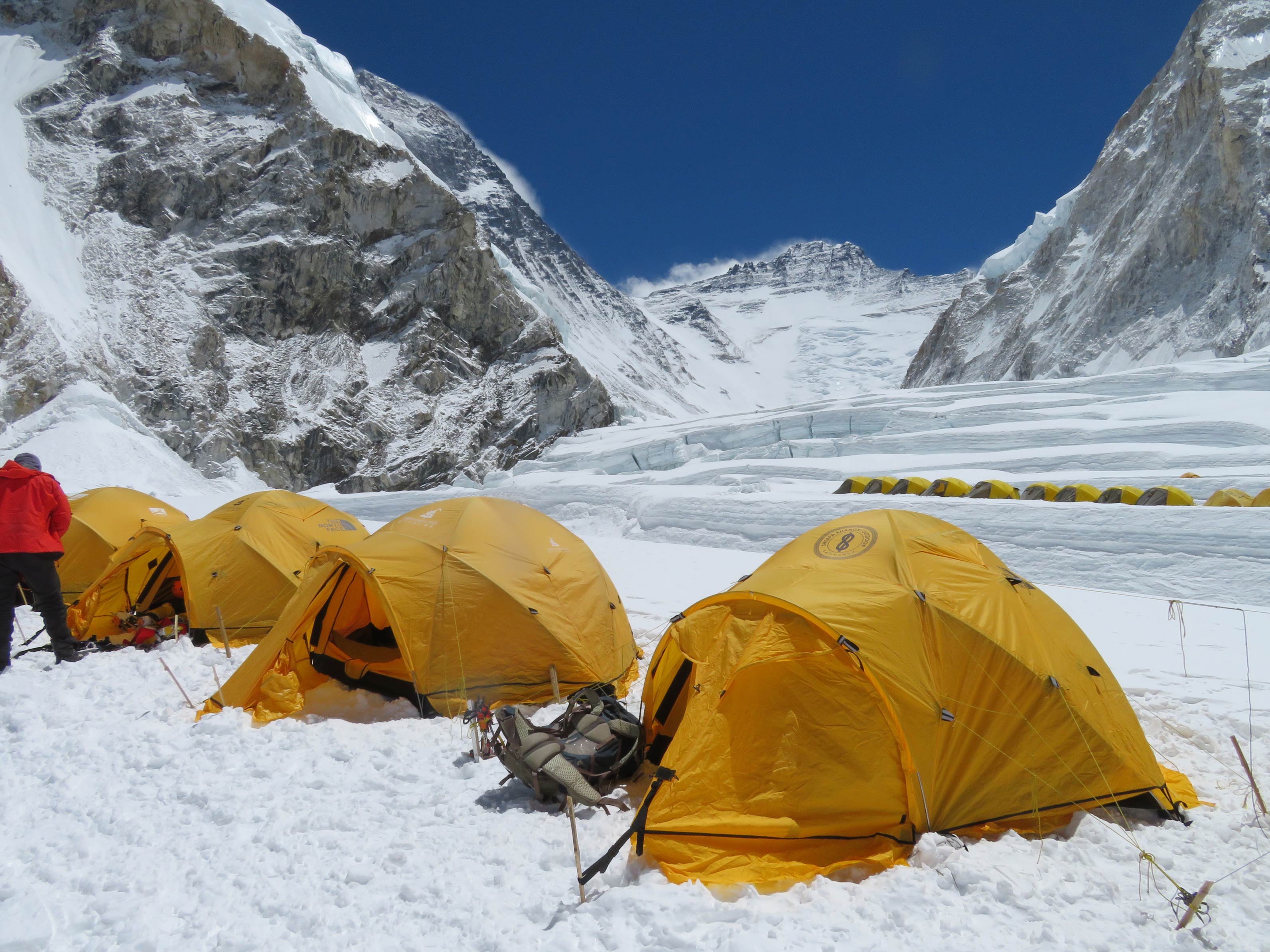
Nepal's proposed Tourism Bill 2081 aims to increase revenue from commercial climbing and trekking while strengthening the role of local companies. The bill includes a requirement that Everest climbers have prior experience on a 7,000m (or possibly 8,000m) peak in Nepal, excluding similar experience gained in other countries. Critics argue this is more about boosting Nepal's climbing business than improving safety.
Other proposed changes include:
International operators note that many of these business rules already exist and argue that reforms should focus on raising safety and professional standards, rather than increasing costs or restricting foreign participation.
The bill is still under discussion in Nepal's Parliament, with numerous amendments yet to be finalized. As a result, the new regulations are unlikely to take effect before the 2027 spring climbing season.