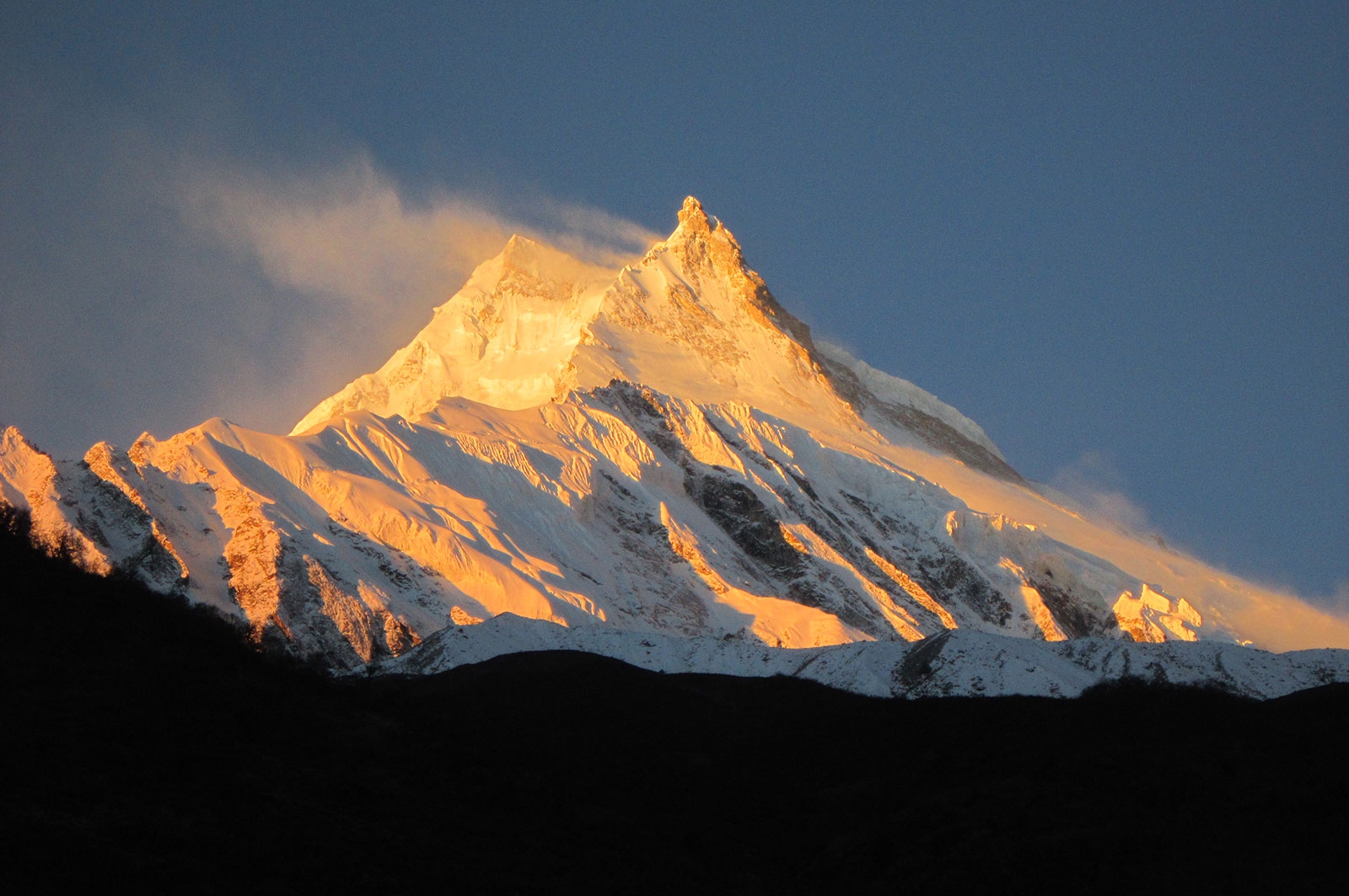
Mount Everest stands at 8,848.86 meters (29,031.7 feet) as the ultimate test of human endurance. Above 8,000 meters, climbers enter the "Death Zone"—a dangerous environment where atmospheric pressure drops by two-thirds, oxygen levels plummet, and the human body breaks down cell by cell.
Executing a high-altitude rescue in these conditions is one of the most complex, hazardous, and physically demanding operations in extreme sports and mountaineering.
Standard search-and-rescue methods fail at extreme altitudes due to severe environmental and physiological barriers:
Extreme Hypoxia: Oxygen deprivation drains energy reserves rapidly. Rescuers risk developing High-Altitude Cerebral Edema (HACE) or High-Altitude Pulmonary Edema (HAPE) while attempting to move a victim.
Severe Himalayan Weather: Sudden blizzards and hurricane-force winds can drop temperatures below $-40^\circ\text{C}$, causing severe frostbite in minutes.
Helicopter Operational Limits: Thin air density prevents standard rescue helicopters from hovering above Camp 2 (~6,400 meters). High-altitude long-line helicopter rescues remain restricted to lower camps, leaving upper-ridge extractions (The Balcony, Hillary Step, South Col) to foot-based rescue teams.
Speed and coordination are vital when a climber suffers from severe altitude sickness, trauma, or physical collapse:
Medical Field Stabilization: Rescuers increase supplemental oxygen to maximum flow rates ($4\text{–}6 \text{ L/min}$) and administer Dexamethasone (a high-dose steroid) to temporarily mitigate brain swelling caused by HACE.
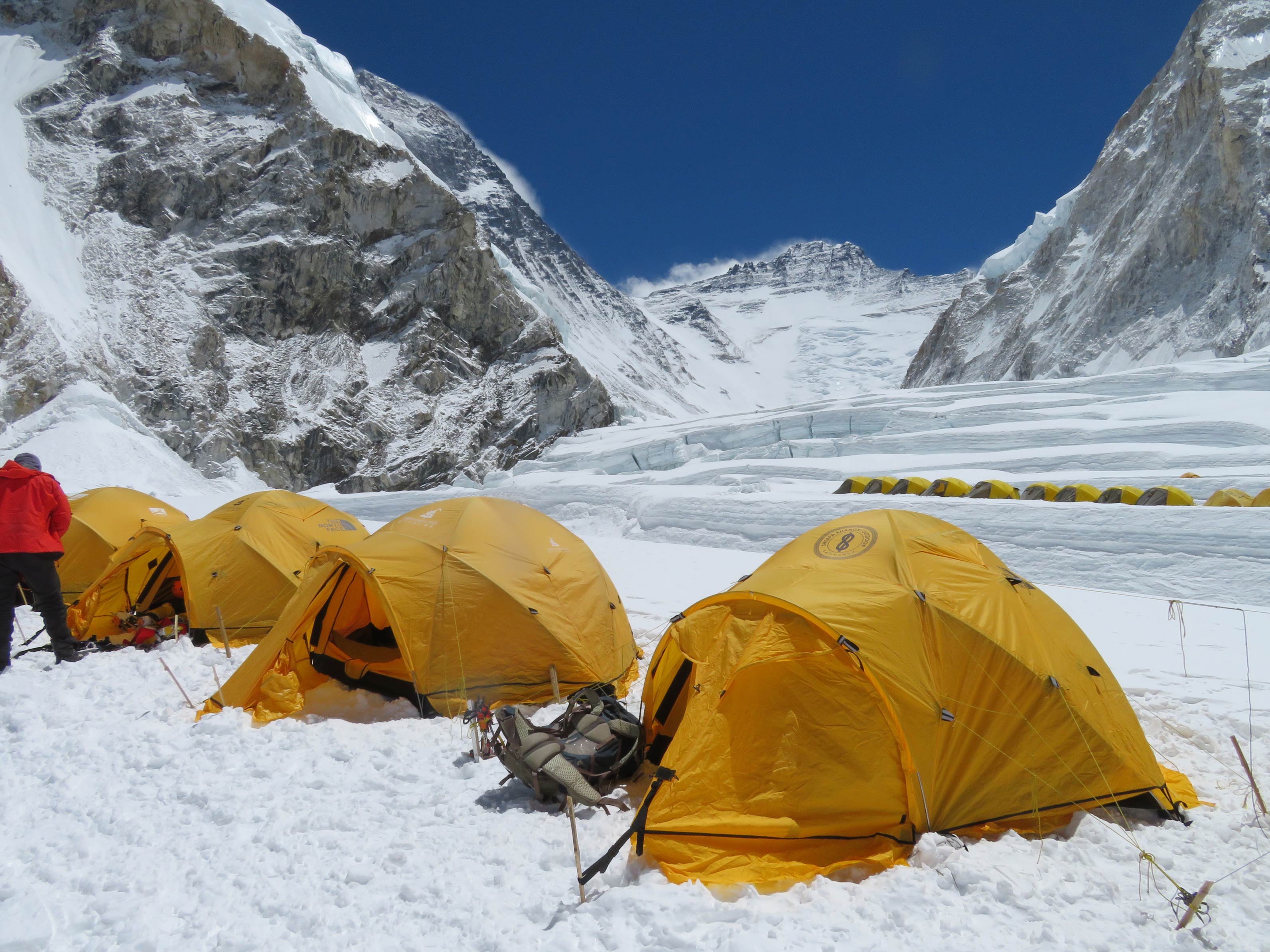
Manual Drag & Rope Extraction: Because stretchers are impractical on steep ice faces, 4 to 6 trained rescuers use harness systems to physically drag or lower non-ambulatory climbers down features like the Lhotse Face and Khumbu Icefall.
Camp 2 Helicopter Evacuation: Once stabilized and brought down to Camp 2, specialized high-altitude helicopters (such as the AS350 B3) airlift the patient directly to medical centers in Kathmandu.
Indigenous Sherpa climbers are the backbone of search-and-rescue efforts on Everest. With natural genetic adaptations to high altitude and deep knowledge of the terrain, Sherpas routinely lead dangerous high-altitude extractions to save stranded climbers.
Modern technology is expanding rescue capabilities:
Thermal Drones: High-altitude thermal-imaging drones help locate missing climbers in crevasses or off-route terrain without exposing rescuers to unnecessary hazard.
GPS & Satellite Trackers: Devices such as Garmin InReach allow base camp managers to track missing parties in zero-visibility conditions.
Rescues above 8,000 meters carry steep ethical and physical risks:
High Personal Risk: Rescuers must evaluate whether a manual extraction endangers the lives of the rescue party.
Sacrificed Expeditions: Saving a life frequently forces guides and clients to abandon months of preparation, heavy financial investments, and summit goals.
Despite extreme risks, rescue teams and independent climbers consistently prioritize human life over summiting in the world's most unforgiving environment.
While a helicopter famously landed on the summit of Everest in 2005 under experimental conditions, routine search-and-rescue operations cannot hover or safely pick up passengers above Camp 2 (6,400 meters) due to thin air density and unpredictable winds.
A high-altitude rescue on Mount Everest can cost between $20,000 and $100,000+ USD, depending on helicopter flight time, ground support, supplemental oxygen usage, and specialized Sherpa team deployment. Specialized high-altitude travel insurance with search-and-rescue coverage is required for climbers.
The primary reasons for rescue requests are High-Altitude Cerebral Edema (HACE), High-Altitude Pulmonary Edema (HAPE), severe frostbite, extreme exhaustion, and physical trauma from falls or icefall collapses.