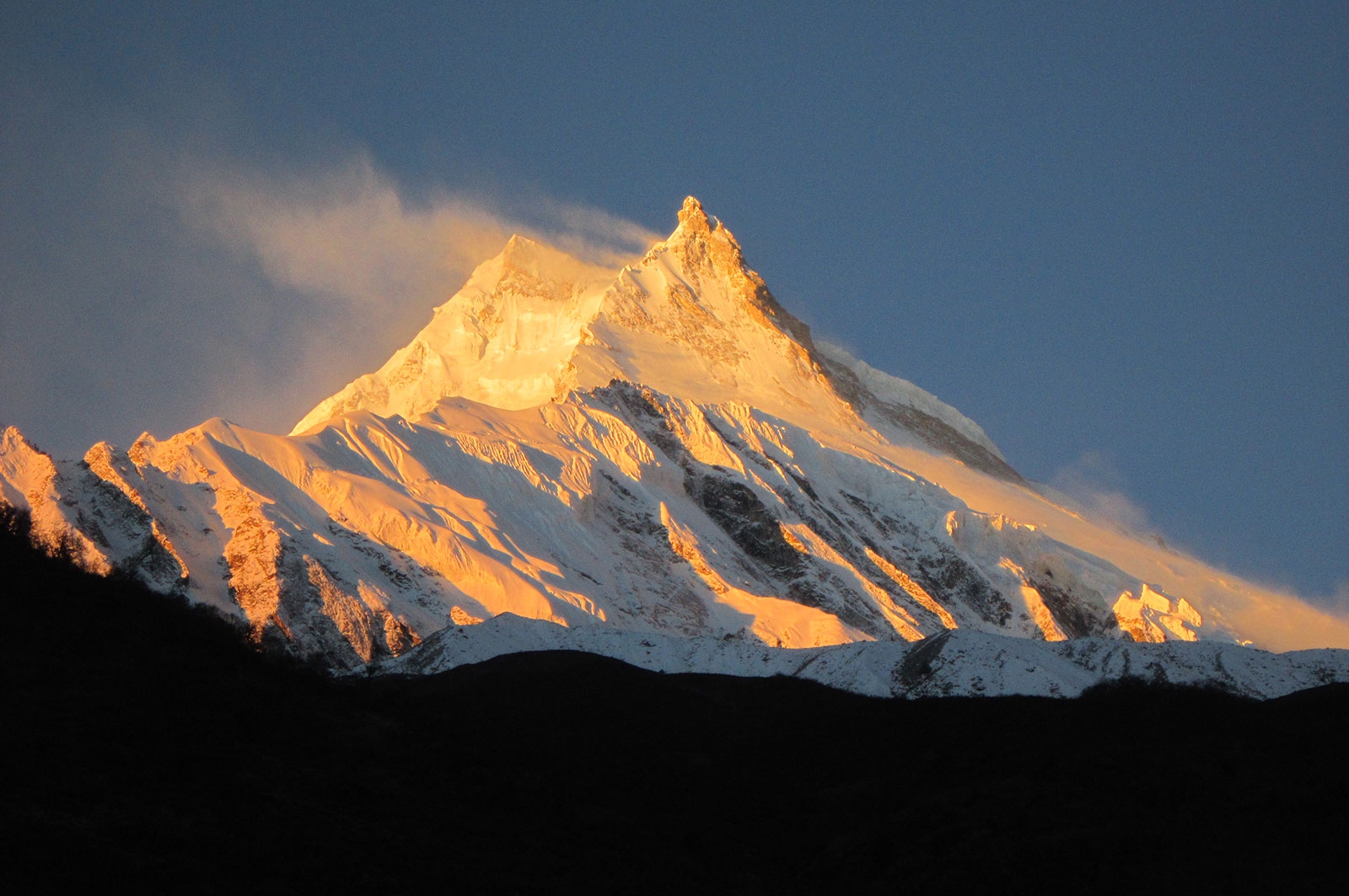
When Nepali climbers joined the search for 10 mountaineers killed in an avalanche on Pakistan's Broad Peak, they knew they were entering a mountain that could kill again.
Led by veteran mountaineer Mingma Gyalje Sherpa, better known as Mingma G, the rescue team ventured onto steep, unstable slopes to recover bodies from one of the most dangerous sections of the 8,047-metre peak.
The Alpine Club of Pakistan described the operation as among the most difficult rescues ever attempted on the mountain.
Nepali climbing guide Dawa Sherpa, better known as "Speed Dawa", was among those who joined the effort.
The team recovered four bodies from around 5,700 metres, including that of celebrated Nepali mountaineer Nirmal Purja 'Nimsdai', before lowering them several hundred metres.
But as fresh snow accumulated, the danger intensified.
Mingma G ordered the team to retreat.
About an hour after the rescuers began descending, a large avalanche swept down the slope, carrying away the bodies they had recovered.
"One body was blown off the mountain down to base camp, while three were nowhere to be seen," Dawa recalled.
He believed the missing bodies would never be found.
But Mingma G and his team returned two days later, searched the steep slopes and dug through the snow to recover them.
"Mingma G does not give up easily," Dawa said.
"What else would you do for such people except salute them?"
'None of us would be alive'
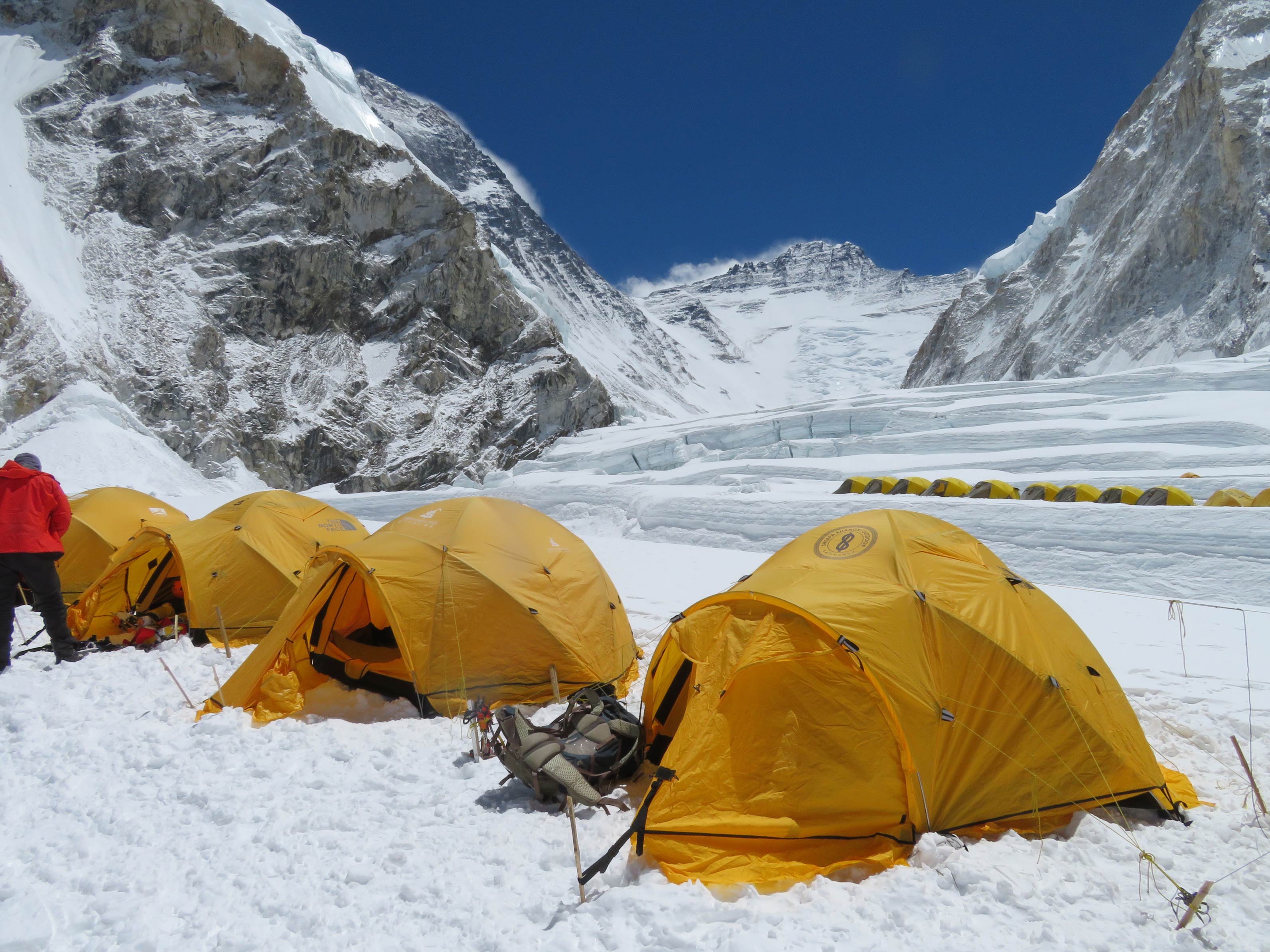
The rescue took place on slopes inclined at up to 60 degrees, with fresh snow and the threat of further avalanches constantly hanging over the team.
The rescuers first recovered bodies lower on the mountain before moving higher towards Camp II.
They eventually reached the bodies of Nimsdai, Kili Pemba Sherpa 'Kilu', Chinese climber Wang Zhong and Gyalu Sherpa.
But after the team began descending, the mountain unleashed another avalanche.
"Had we tried to pull down Nawang's body, none of us would be alive," Dawa said.
Nawang Thindu Sherpa, 29, who was climbing with Seven Summit Treks, remains the only whole body of a Nepali victim still on Broad Peak.
On Thursday, Pakistani rescuers recovered the body of Pakistani climber Sohail Sakhi, who had been missing since the July 30 avalanche.
Part of the body of American climber Mallory Geis also remains on the mountain.
Dawa said Nawang's body was too exposed to avalanche danger and the rescue team lacked sufficient rope to lower him safely.
"His body is located above 6,000 metres," he said. "There are three points from where an avalanche could strike, and they all come to his place."
He said the body might have to remain there until next season.
"If the body remains in the same place, next year we can pull it out," he said. "If it gets removed from there, we can do nothing."
'Mingma G is fearless'
Dawa praised Mingma G for personally leading the recovery effort despite the risks.
"I find it fascinating that a managing director of a company would go up in such a risky place to lead the rescue and work alongside other people," he said.
"Mingma G is fearless. Who else would go in a rescue mission? He is a director of Imagine Nepal, but he was working alongside the other boys. I salute him."
The operation also highlighted the limits of predicting avalanches, Dawa said.
Some climbers and observers have suggested that Purja made a hasty decision by moving higher on Broad Peak before the disaster.
Dawa rejected the criticism, saying teams on K2 and Broad Peak had agreed at base camp to move higher on the same day.
With a narrow weather window, climbers were targeting summits on July 31 or August 1.
"We started the climb on the same day," he said.
K2 teams had reached Camp III, while Broad Peak climbers were a few hundred metres above Camp II.
Dawa said conditions were already difficult, with heavy snowfall and strong winds in the days before the avalanche.
"There was a lot of snowfall. The weather was really bad. The wind was at 60-70 kilometres per hour," he said. "We were combing in such conditions. We were also moving up from Camp II."
He said minor avalanches were common in such conditions, but the scale of the Broad Peak avalanche was extraordinary.
"It is normal to have minor avalanches, but this was a massive avalanche that killed all members of the expedition," he said.
Limits of prediction
Dawa also dismissed claims that avalanches can be accurately predicted.
"Who said that? That is said to misguide you," he said.
Weather conditions such as wind and rain can be forecast using multiple sets of data, he said, but the precise timing of serac falls, snowfall and avalanches cannot.
"We can predict wind speed or rain by matching different data, but serac falls or snowfall cannot be predicted."
"If we could predict it, why would anyone go to die knowing?" he said.
Experienced guides can assess the mountain and identify warning signs by studying the slope, snow depth and condition.
"We calculate by looking at the slopes and deep snow and assessing the chances of everything flowing down," he said.
But ultimately, there is no certainty.
'There is no certainty'
Dawa's own experience in the Karakoram this summer reinforced the lesson.
After climbing Nanga Parbat with Polish ski mountaineer Andrzej Bargiel, he travelled to K2 on foot.
While at Camp III with other teams, including Mingma G's, the climbers received a message on a Garmin device at about 9 p.m. They abandoned their summit attempt and descended the following morning.
A day later, Dawa and his team climbed above Camp I, recovered bodies and escaped another avalanche before returning to base camp.
"I would do everything else but pull out dead bodies," he said. "My parents did not want me to do it. I have to honour their thought."
Six of the 10 climbers killed in the Broad Peak avalanche were Nepali: Purja, Pur Bahadur Gurung 'Yukta', Kili Pemba Sherpa, Nima Sherpa, Gyalu Sherpa and Nawang Thindu Sherpa.
For Dawa, the rescue demonstrated that experience and technology can improve decision-making, but neither can make the high mountains predictable.
"There is no certainty," he said.
The rescuers' survival on Broad Peak ultimately depended not on predicting the next avalanche, but on reading the mountain, recognising danger and knowing when to turn back.